Agentic-assisted coding - Dos and Don’ts
3 ways that I use agentic-assisted coding
(1) Cross-framework project init
With just a spec document, the coding agent can initialise a full project across multiple languages/frameworks/tools in a few minutes.
Prior to the LLM-era, I used to be a big fan of cookiecutter-style project inits. But they are highly language and framework-specific.
With the coding agent, it is flexible enough to be able to mix and match different languages and frameworks based on your project needs.
(2) Partner for pair programming
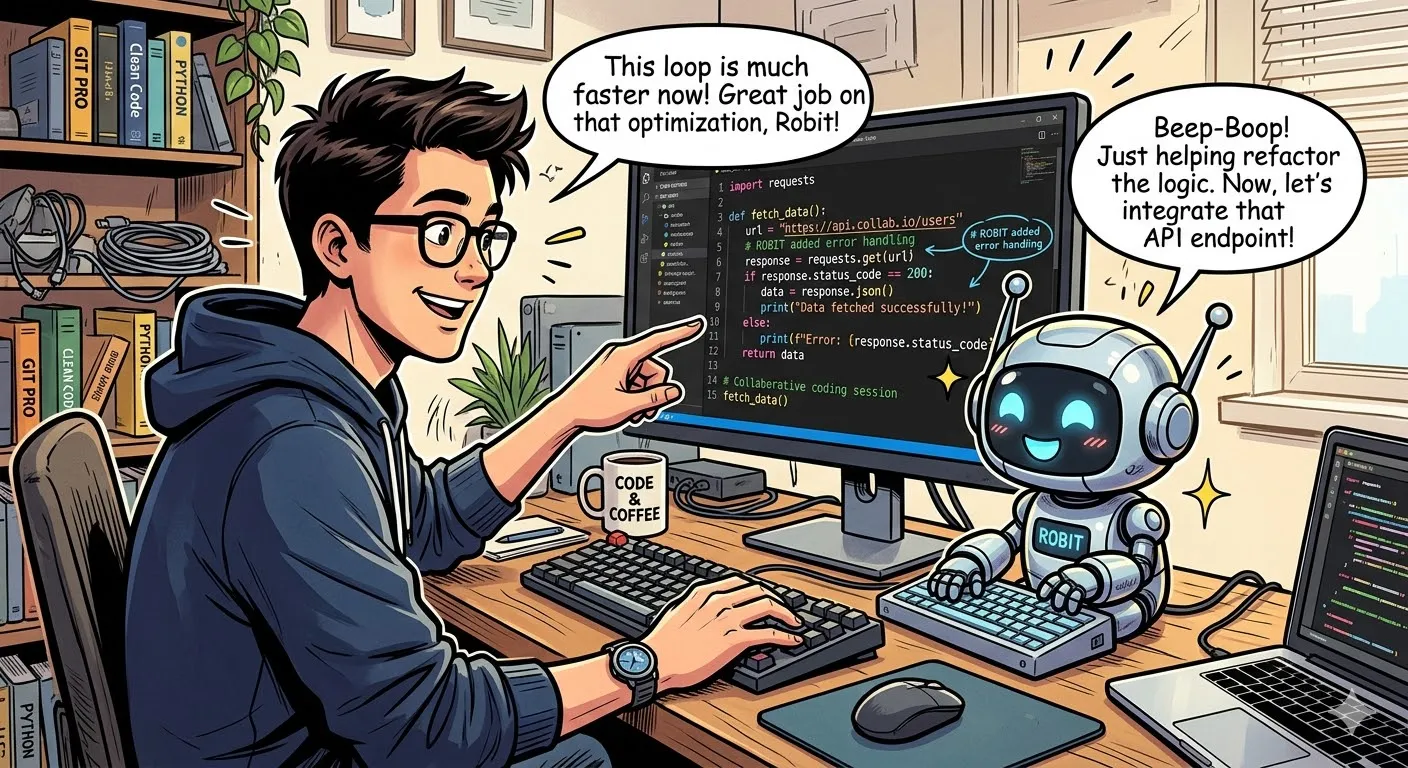
Sometimes I code and ask for feedback from coding agent. Sometimes the coding agent writes some codes that I review and modify afterwards.
The productivity gain from this is insane, especially when I am working with languages/frameworks that are new to me.
For added zest, the coding agent can sometimes argue with you like a human does.
“This error happened only because you deleted the code on lines 29-32.”
The coding agent was not wrong, so I have to tell myself that everyone makes mistakes.
(3) Debugger
The most time-consuming part of any debugging exercise is figuring out what the error in the traceback means.
It used to involve multiple googling attempts and printing out intermediate variables to find out what went wrong. Before you know it, hours had gone by just to fix one bug.
The coding agent takes care of all of these within minutes behind the scenes.
Most of the time it gets the right solution. But there were times that it decided to just patch the solution, rather than rewrite the logic in the correct way.
1 way that I do not use agentic-assisted coding
(1) Fully autonomous coding
Agentic-assisted coding has come a long way, but it is still not perfect.
Most of the issues come from the way we develop software, rather than any inherent problem with the coding agent itself.
For example, requirements are rarely clearly defined in a real-world situation.
When not specified, the coding agent will go for the documented best practices, which may or may not be the best solution for the current problem.
Do you really need an AWS EKS backed by VPC private network for a quick proof-of-concept?